
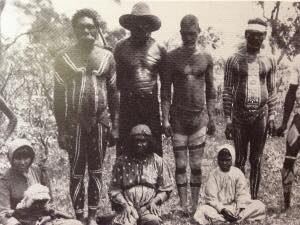
Long before the town of Tenterfield was gazetted in 1851, the region had been home to Aboriginal nations for tens of thousands of years. The traditional custodians of this land include the Jukembal, Bundjalung, Kamilaroi, and Githabul peoples—each with a deep cultural, spiritual, and environmental connection to Country.
The First Inhabitants
The Jukembal and Bundjalung (also spelled Bunjalung, Badjalang, and Bandjalang) peoples were the earliest known inhabitants of what is now Tenterfield Shire. The Jukembal, whose name means “the people who say jogom” (with “jogom” meaning “no”), reputedly called the area Moombilleen, meaning “place of wild honey.”
Together with the Kamilaroi (Gamilaraay) and Githabul peoples, these nations maintained strong cultural ties to the land, with their territories spanning from Glen Innes to Stanthorpe, and from the New England Ranges to the lush forests near the NSW-Queensland border.
Sacred Sites and Shared Spaces
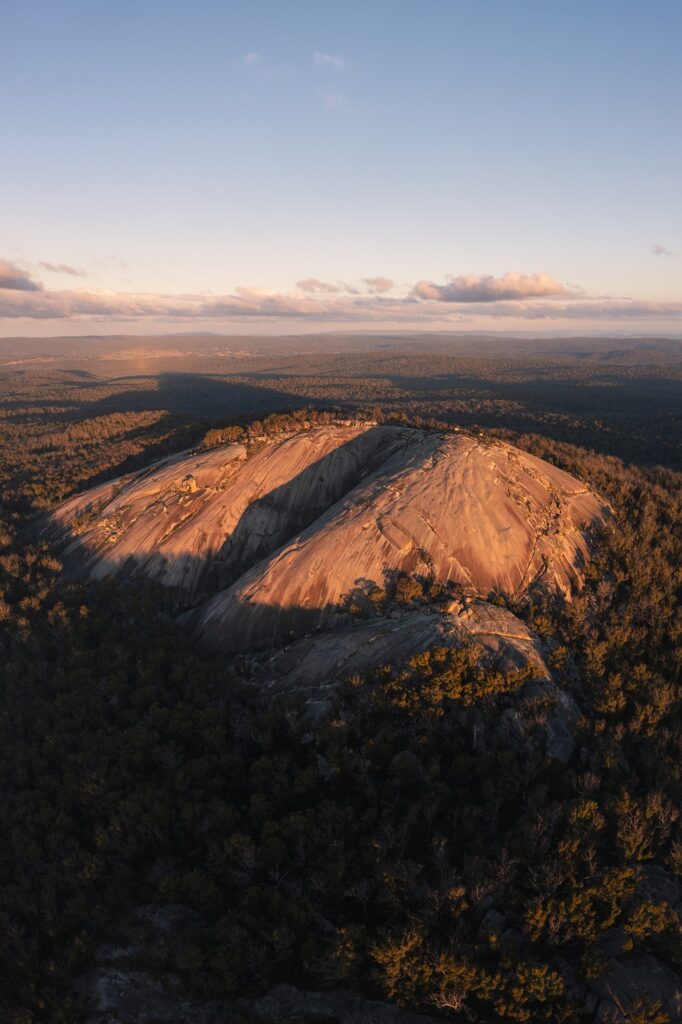
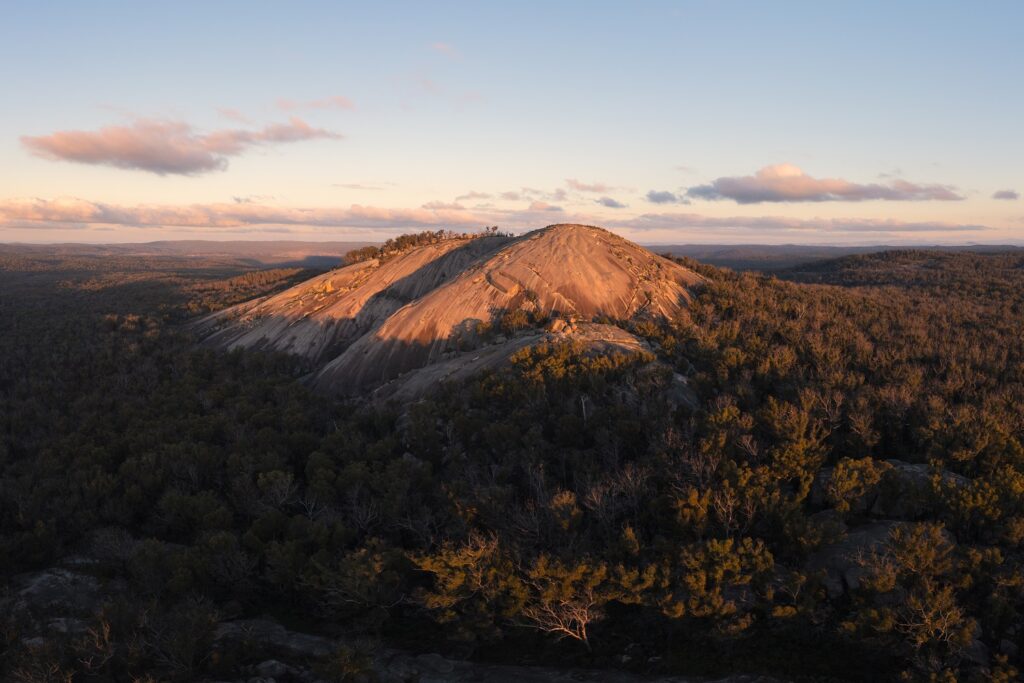
One of the most iconic natural features of the region, Bald Rock, held special significance. As neutral ground, it allowed for peaceful meetings, trade, and ceremonial gatherings between the three nations, without the need to cross into each other’s territories. This granite monolith symbolised respect, diplomacy, and shared custodianship of the land.


Diverse Cultures and Practices
Aboriginal culture is incredibly diverse across the continent, and Tenterfield is no exception. Different tools, weapons, and musical instruments—such as clapsticks and emu callers—were used by the Bundjalung and Kamilaroi peoples. Initiation ceremonies known as Bora were of particular importance, with sacred bora rings constructed from foot-hardened earth to serve as the ceremonial ground for passing boys into manhood. These sites, connected by sacred walkways, represent the spiritual path from childhood to adulthood.
Scar trees are another powerful reminder of traditional life in the area. Bark was carefully removed from trees to craft canoes, shields, and containers, while toeholds were cut into trunks to assist in climbing for hunting or lookout purposes.
Woollool Woolloolni: A Place of Spiritual Power
Among the most spiritually significant sites in the region is Woollool Woolloolni, a dramatic granite outcrop rising over 1,000 metres above sea level. Known as a djuravehl—a centre of spiritual power—in the Bundjalung language, it is said that a Wuyangali (Clever Man) named Woollool Woollool held exclusive spiritual rights to the site. Legend tells that when he died, a rock fell from the balancing formation, signalling his spirit’s return.
This sacred place, visible from the Bruxner Highway and accessible via Basket Swamp National Park, holds stories passed down through generations. Different groups, including the Wahlubal at Tabulam and the Githabul of Mulli Mulli near Woodenbong, share variations of the legend—each maintaining the powerful presence of Woollool Woollool and the rock he called home.
Bluff Rock: A Site of Tragedy and Memory
Not all history is peaceful. Just 10km from Tenterfield lies Bluff Rock, the site of the region’s first known violent conflict between Aboriginal people—believed to be the Jukembal or Ngarabal—and European settlers in 1844. Though versions of the story vary, it is said that following the killing of a shepherd, Aboriginal people were chased to the rock and many were thrown from its heights. While no physical evidence of the massacre remains, the site stands as a solemn reminder of the brutality faced during colonisation.
Living Culture and Ongoing Connection
The Aboriginal community in Tenterfield today includes descendants of the Kamilaroi and Bundjalung peoples, many of whom have lived in the region for generations. From the 1930s to the 1980s, Aboriginal families were housed in what is now Currys Gap State Conservation Area, formerly known as “The Common.” Located just south of town, it sits within the Moombahlene Aboriginal Land Council area and the Jukembal language group.
Cultural artefacts—such as grinding stones, boomerangs, clubs, spearthrowers, and fire drills—can be viewed at the Sir Henry Parkes Memorial School of Arts Museum. The museum also features a commemorative display of Tenterfield’s first official Welcome to Country, held in 2008 in the Banquet Hall.
Two Aboriginal land councils serve the Tenterfield region today:
- Moombahlene Local Aboriginal Land Council, based in Tenterfield
- Jubullum Aboriginal Land Council, which supports communities east of Tenterfield around Drake and Tabulam
Respecting Country
Tenterfield Shire is rich in Aboriginal heritage. From scar trees and sacred bora rings to the myths of Woollool Woolloolni and the history of Bluff Rock, the land tells stories that span tens of thousands of years.
As visitors and residents alike walk this Country, we are reminded to do so with deep respect—for its custodians, their culture, and their enduring connection to the land.