

Tenterfield: Where History Lives On
Discover the layers of Tenterfield’s past
Step back in time and explore the stories, buildings, and people that shaped the heart of the Tenterfield region.
Tenterfield's story is stitched into the fabric of Australia's national identity. Known as the Birthplace of our Nation, Tenterfield is home to iconic heritage buildings, historic railway stations, bushranger tales, and the legacy of Sir Henry Parkes' famous Federation speech. Wander the streets and you'll find sandstone banks, old-fashioned shopfronts, and echoes of a bygone era in every corner.
A Land of Deep Connection

Long before European settlement, the Tenterfield Shire was home to the Jukembal, Bundjalung, Ngarabal, Kamilaroi, Githabul and Wahlubal peoples. One of the most culturally significant sites, Bald Rock, served as neutral ground for meetings and trade — a rare place where some nations could gather in peace without crossing territorial boundaries.
The name "Tenterfield" derives from "Moombilleen," meaning "place of wild honey" — a reflection of the abundant natural resources that made this country a gathering place for thousands of years. Scar trees, bora rings, and ceremonial grounds remain as evidence of a rich and layered cultural history across the landscape.
Federation & Sir Henry Parkes

Tenterfield came to national prominence in 1889 when Sir Henry Parkes delivered a momentous speech in town, calling for the federation of the Australian colonies. The Tenterfield School of Arts, where the speech took place, now houses a museum and exhibition honouring this pivotal moment. His powerful call helped shape modern Australia, earning Tenterfield the title Birthplace of our Nation.
Colonial Architecture

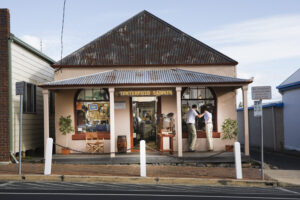
Take a walking tour of the town's beautifully preserved heritage buildings, including the Tenterfield Post Office, Uniting Church, and Historic Bank Buildings. The Tenterfield Saddler, immortalised by Peter Allen, stands as a tribute to local craftsmanship and rural tradition. These buildings represent some of the finest Victorian-era civic architecture in regional NSW — many still in everyday use.
Railway Heritage
With the opening of the Tenterfield Railway Station in 1886 and its connection to Wallangarra in 1888, the town became a vital link in Australia's interstate rail system. This infrastructure milestone cemented Tenterfield's status as a transport and trade hub — and the gauge mismatch between NSW and Queensland at the border became a symbol of the fragmented colonial federation that Parkes was determined to overcome.
Tenterfield's Railway Museum narrates the journey from the station's opening in 1886 to its closure in 1989. Through its showcase of locomotives, uniforms, signalling equipment, and personal stories from the golden age of train travel, the museum immerses visitors in its story.
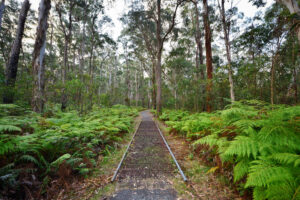 Heritage
Tenterfield: A Town Woven with History, Culture, and Remarkable Stories
Nestled at the intersection of the New England and Bruxner Highways in northern New South Wales, the historic town of…
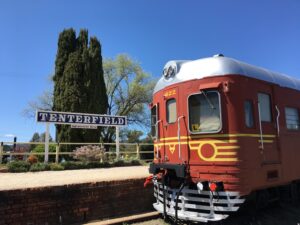 Heritage
Riding the Rails: How the Railway Transformed Tenterfield
Like many regional towns across Australia, the arrival of the railway was a turning point in the history of Tenterfield—one…
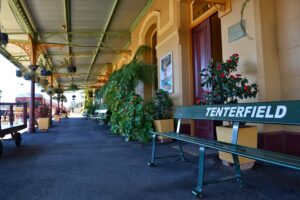 Heritage
Tenterfield Railway Museum
“The Great Northern Terminus” train station opened in Tenterfield in 1886 and ran services until 1988. The station precinct is…
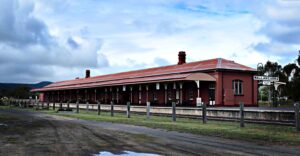 Heritage
Wallangarra Railway Station Museum & Café
Step across the state border into this historic Victorian-era station. Once a major rail interchange between Queensland and New South…
Bushrangers & Local Legends
Tenterfield has inspired and shaped some of Australia's most beloved figures, both heroes and villains. Banjo Paterson spent time in the district and found creative inspiration in the landscape and its stories. Peter Allen's song Tenterfield Saddler immortalised his family's roots here. The region was once also the favoured turf of bushrangers like Captain Thunderbolt, whose exploits are now folklore — local lookouts and trails still carry the names of these outlaws.
From the Anzac tributes in town to quiet cemeteries and plaques honouring early settlers, Tenterfield pays homage to those who came before — in farming, service, and community-building.
 Heritage
Tenterfield Saddler
The late George Woolnough worked on High Street and lived on Manners, Fifty-two years he sat on his verandah, made…
 Heritage
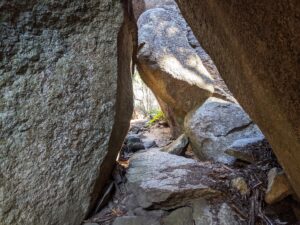
Thunderbolt’s Hideout
Fred Ward, better known as Captain Thunderbolt, was the longest roaming bushranger in Australia’s history. He was very familiar with…
Historical Sites & Local Museums
Heritage
Wallangarra Railway Station Museum & Café
Step across the state border into this historic Victorian-era station. Once a major rail interchange between Queensland and New South…
 Heritage
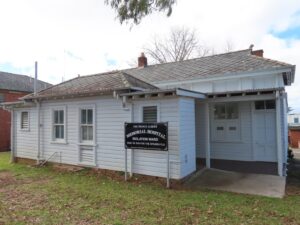
The Prince Albert Memorial Hospital Isolation Ward
One of the remaining extant Isolation Wards in regional Australia – a site of cultural significance that has been preserved…
 Heritage
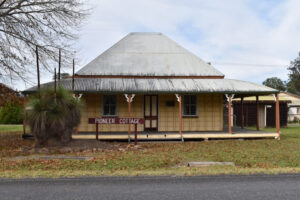
Urbenville Pioneer Cottage and Historical Museum
The Pioneer Cottage at Urbenville houses the village’s museum, paying tribute to the history of farming, mining and tall timber…
 Heritage
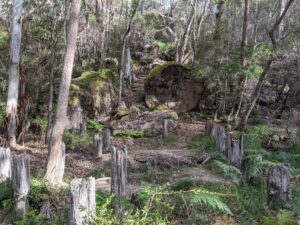
World War II Tank Traps – Paddy’s Flat
During World War II, low profile, defensive positions were established along many roads throughout Australia, and the Tank Traps at…
 Heritage
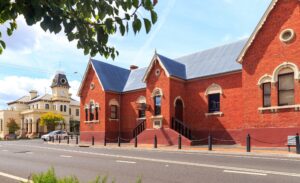
Sir Henry Parkes Memorial School of Arts
Sir Henry Parkes Memorial School of Arts The Sir Henry Parkes School of Arts offers a fresh and exciting approach…
Heritage
World War II Tank Traps – Mount Lindesay Road
During World War II, low profile, defensive positions were established along many roads throughout Australia. The Mount Lindesay Road (then…
 Heritage
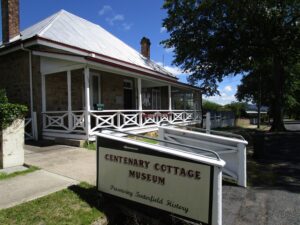
Centenary Cottage Museum
Tenterfield Centenary Cottage Museum consists of the Cottage Museum, General Sir Harry Chauvel Gallery, Petrie Pioneer Cottage and various examples…
 Heritage
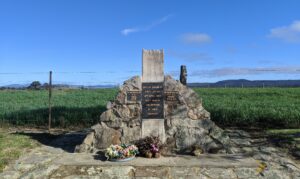
F-111 Crash Site Memorial
On 2 April 1987, an F-111 training flight took a turn for the worse when the plane crashed into a…
Heritage
Thunderbolt’s Hideout
Fred Ward, better known as Captain Thunderbolt, was the longest roaming bushranger in Australia’s history. He was very familiar with…
Heritage
Tenterfield Railway Museum
“The Great Northern Terminus” train station opened in Tenterfield in 1886 and ran services until 1988. The station precinct is…
Heritage
Tenterfield Saddler
The late George Woolnough worked on High Street and lived on Manners, Fifty-two years he sat on his verandah, made…